

06. The Interview: Cascie Anderson
Production Manager, FOX Sports

Behind every sports broadcast is a production team working tirelessly to ensure that all the moving pieces come together to create what you see on television. With over a decade of experience, Cascie Anderson, a production manager for FOX Sports, plays an integral role in bringing the logistical side of NASCAR on FOX weekends to life. From the Daytona 500 to the Indy 500, Cascie has been part of some of the biggest spectacles in motorsports, as she reflects on her journey from a motorsports management student to a career in broadcast media.
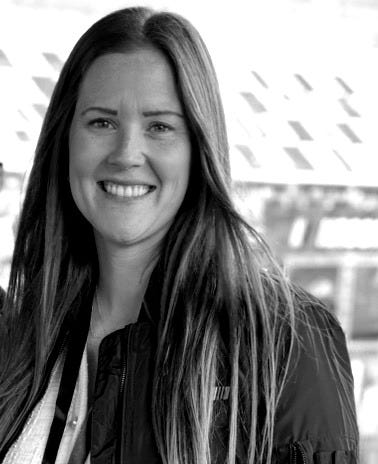
KAITLYN VINCIE: You graduated from Rowan-Cabarrus Community College with a degree in motorsports management, which I would say is fitting. Why motorsports?
CASCIE ANDERSON: Honestly, I did not necessarily grow up a fan of motorsports or NASCAR in any form. My grandfather was a drag racer, and my dad raced motocross and BMX bikes, so there was definitely racing on both sides of the family, but it wasn’t necessarily something I grew up doing. I did grow up playing sports, though—I played softball and volleyball, and I even did tae kwon do. Around sixth grade, I started to have an interest in NASCAR, and from there I just hit the ground running. I knew I wanted to work in sports—I wanted to do sports journalism in some capacity—and the more I became a fan of NASCAR and motorsports in general, the more I realized how unique it was. I thought to myself that there probably weren’t a lot of women working in the sport doing what I wanted to do, so from then on I said, “This is it.” After high school, I found out there was a dual motorsports management program that I could take with UNC (University of North Carolina) attached to it as well. There are three schools in North Carolina that offer the program—it’s not something you can study just anywhere. It was very interesting. I had to take classes ranging from logistics and management to hands-on courses. I took an engine and drivetrain class, a chassis class—I had to actually learn about the vehicle, not just the logistics of managing a team. I took every opportunity I could while I was in that program, doing internships just to get my foot in the door, so that by the time I graduated, I had something to build on.
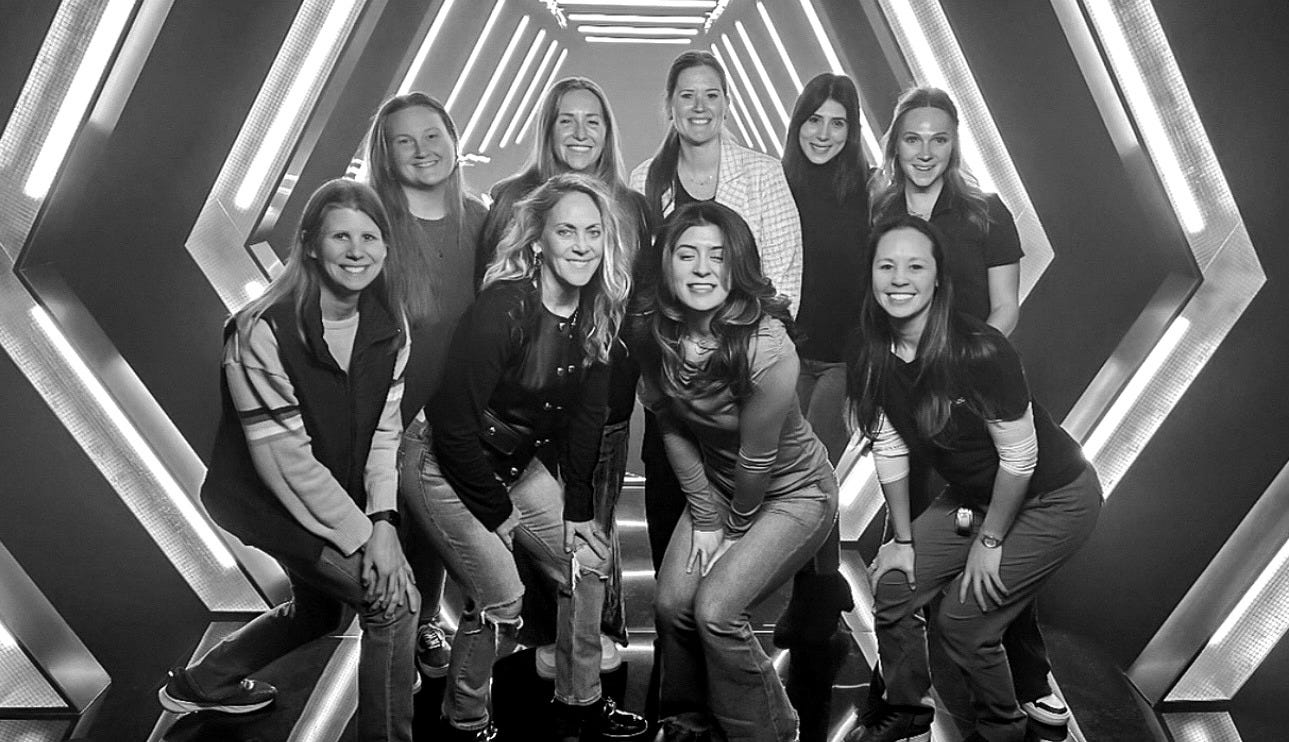
KV: You have been at FOX Sports for over a decade now, and your job is a very important one. What is the day-to-day life of a production manager like? We’ll start with during the week.
I like to tell people that my job is literally different every day, and that’s what I love most about it. I jokingly say it’s a buffet of responsibility because you just never know what you may be presented with. During the week, my job entails overseeing our schedules for talent production at the track. I oversee all our ENG feature shoots. I work with our producers to get those scheduled and manage their budgets. I take care of talent needs—travel, wardrobe fittings, or anything extra they may have going on during the week or at the racetrack. It’s a lot of preparing, planning, and executing so that once we get to the weekend at the track, everything runs smoothly.
KV: What are the weekends like?
The big thing about my job is that once you get to the weekend, the bulk of my responsibilities need to be solidified before we even arrive. Once I’m there, it’s all hands on deck—assisting with feature shoots, talent needs, and working on the pre-race show, Race Day. I’ll assist with Race Day on everything from talent movement to helping producers with whatever needs to get done within that time frame.
KV: The Daytona 500 is obviously our biggest race of the year, and it just happened a few weeks ago. What are you managing during that event that may be different from a typical race weekend?
I love Daytona week. I may be a rare breed who says they love going to Daytona for a whole week every year. It’s a long week with long days, but I love Florida in February—and to kick off our season with the biggest race of the year, rather than ending with it, makes it its own beast. There are always more feature shoots, more sponsorship commitments across the board, sales shoots, and extra requirements from our talent. We’re basically on the air from Wednesday to Sunday during Daytona week, compared to a typical Friday-to-Sunday schedule. There are just a lot more moving parts, especially with a two-hour pre-race show. We also tend to have more guests—everyone from executives and their families to special FOX guests. The atmosphere around Daytona is always different. There’s so much anticipation.
For our team, we never stop. Our season runs from February to November, but we’re still working in the offseason to prepare for the next year, with preseason media and hangar shoots for NASCAR and IndyCar. Those big preseason shoots set the tone for our content for the entire year. So there’s this heightened level of excitement once you get to Daytona to officially start. It can be exhausting, but it’s very rewarding. The second the 500 ends, we’re all like, “We did it.” I always walk away with a smile because an incredible amount of work has been accomplished—it’s rewarding for everyone involved.
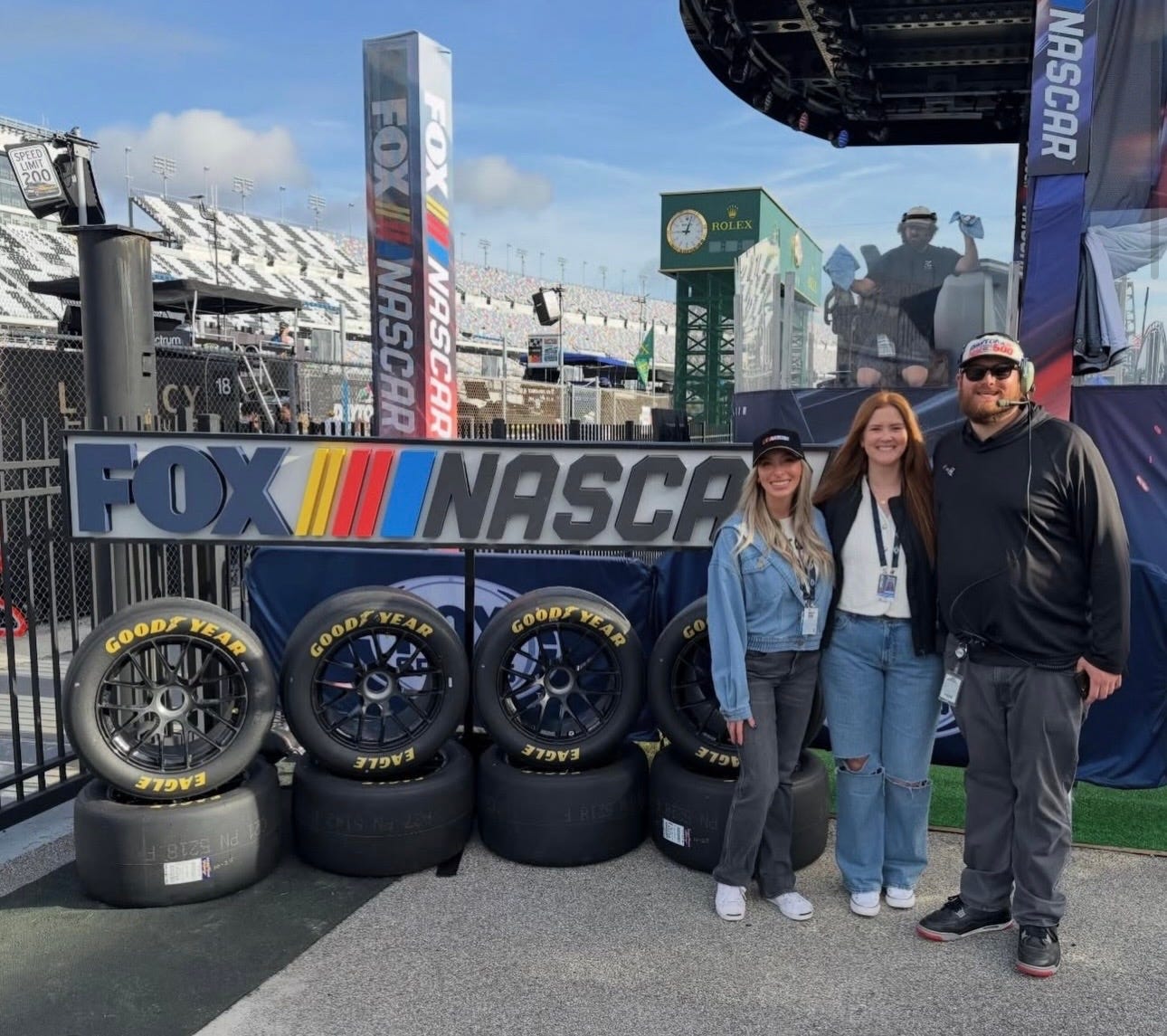
KV: I would agree with that. You mentioned the fast pace of working in television. No matter what position you hold, things change quickly and unexpectedly. What skills do you need to be successful in your job?
First and foremost, you have to be flexible and go with the flow to some extent. I’m very type A—I like to plan and I like the plan to happen—but I’ve learned you also have to be okay with things changing at the last minute. You need to be able to adjust and navigate with a calm demeanor. You also have to be a people person because you’re constantly communicating with and managing others. And you have to genuinely want to do the job. I say that about any position. It’s not necessarily about who’s the best—it’s about who cares. If someone is really good at their job but doesn’t care to be there, what’s the point? Passion fuels everything in a positive way. For me, I love motorsports, so having the opportunity to work in NASCAR and IndyCar is what makes me want to be here.
KV: Is it surreal for you to reflect on how far you’ve come in your career?
Absolutely. You get so caught up in life and work that you have to remind yourself that this is a privilege. Sometimes you need to pause and say, “This is really cool.” I had one of those moments in Daytona. It was early Tuesday morning, and I took a walk around the infield by the lake. It hit me— it’s Tuesday, I’m at Daytona International Speedway, getting exercise before starting my workday here. Those moments of reflection are important, or you risk taking it for granted.
KV: I love that you did that. I had a similar moment at COTA last year walking pit road before the Cup race, thinking, I actually made it here? This is crazy.
I’m sure you can relate—when you’re a kid, you think, “That would be so cool. How do I get there?” Then years later, you’re actually in that position. It’s surreal. But you have to remind yourself, because we’re human, and sometimes that perspective slips.
KV: I feel like production managers are also part-time therapists for talent. All jokes aside, you work closely with a lot of personalities—what is that like?
That’s part of being a people person. You’re managing many different personalities, and not everyone is the same. One of the things I value most about my role is the relationships I’ve built with talent, especially in NASCAR and IndyCar. These aren’t just coworkers—some of them are very close friends. You build trust and loyalty over time. Part of the job is being there for them. They trust you, and sometimes they confide in you or rely on you to handle certain situations. That’s very humbling, and I don’t take it for granted. Over the years, I’ve gotten to know everyone well enough to understand each personality—what they like, what they don’t like, when to push and when not to. You learn that naturally over time.
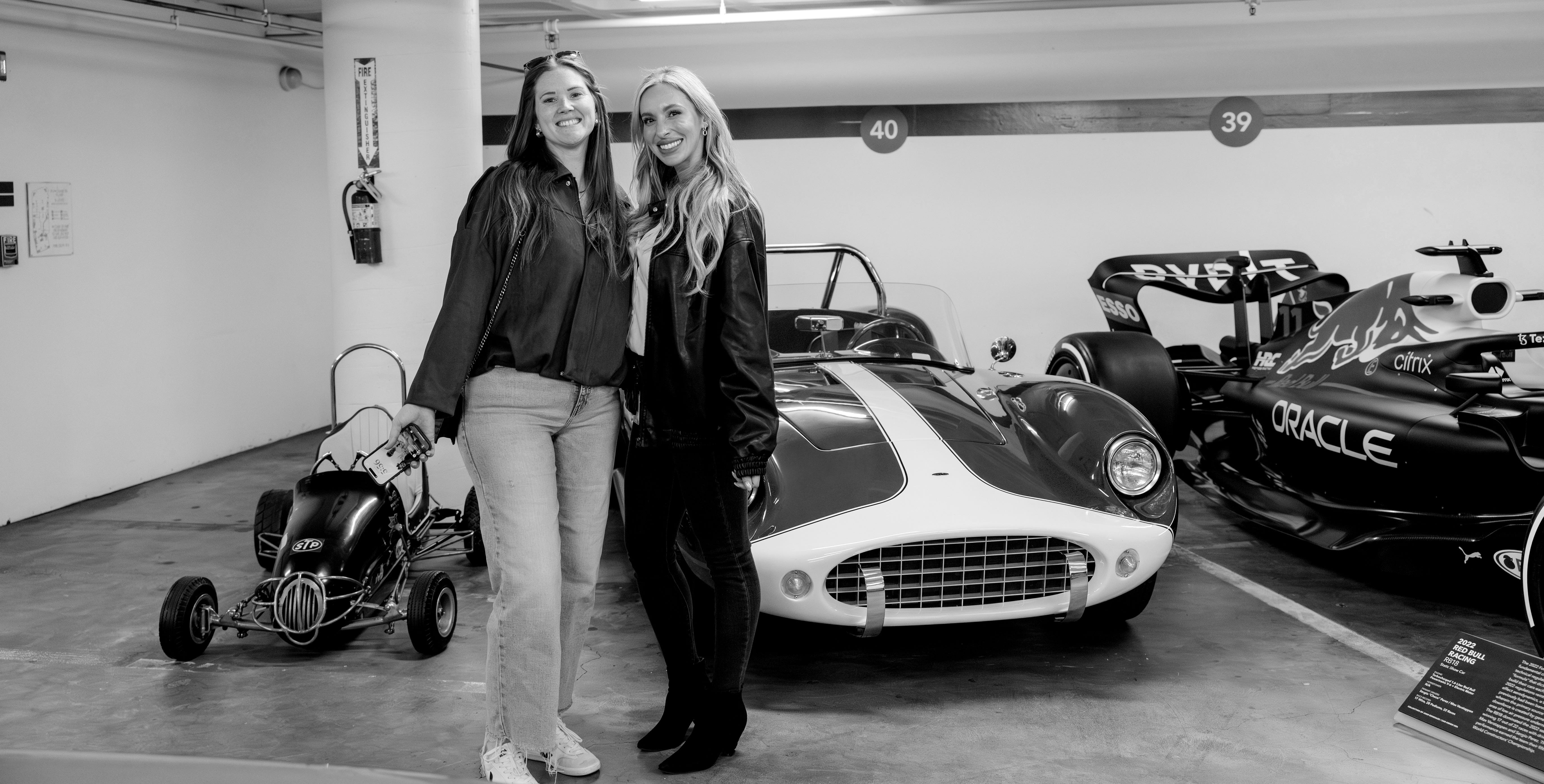
KV: You’re great at it. You mentioned IndyCar—you were part of FOX’s inaugural coverage of the Indy 500. What was that experience like?
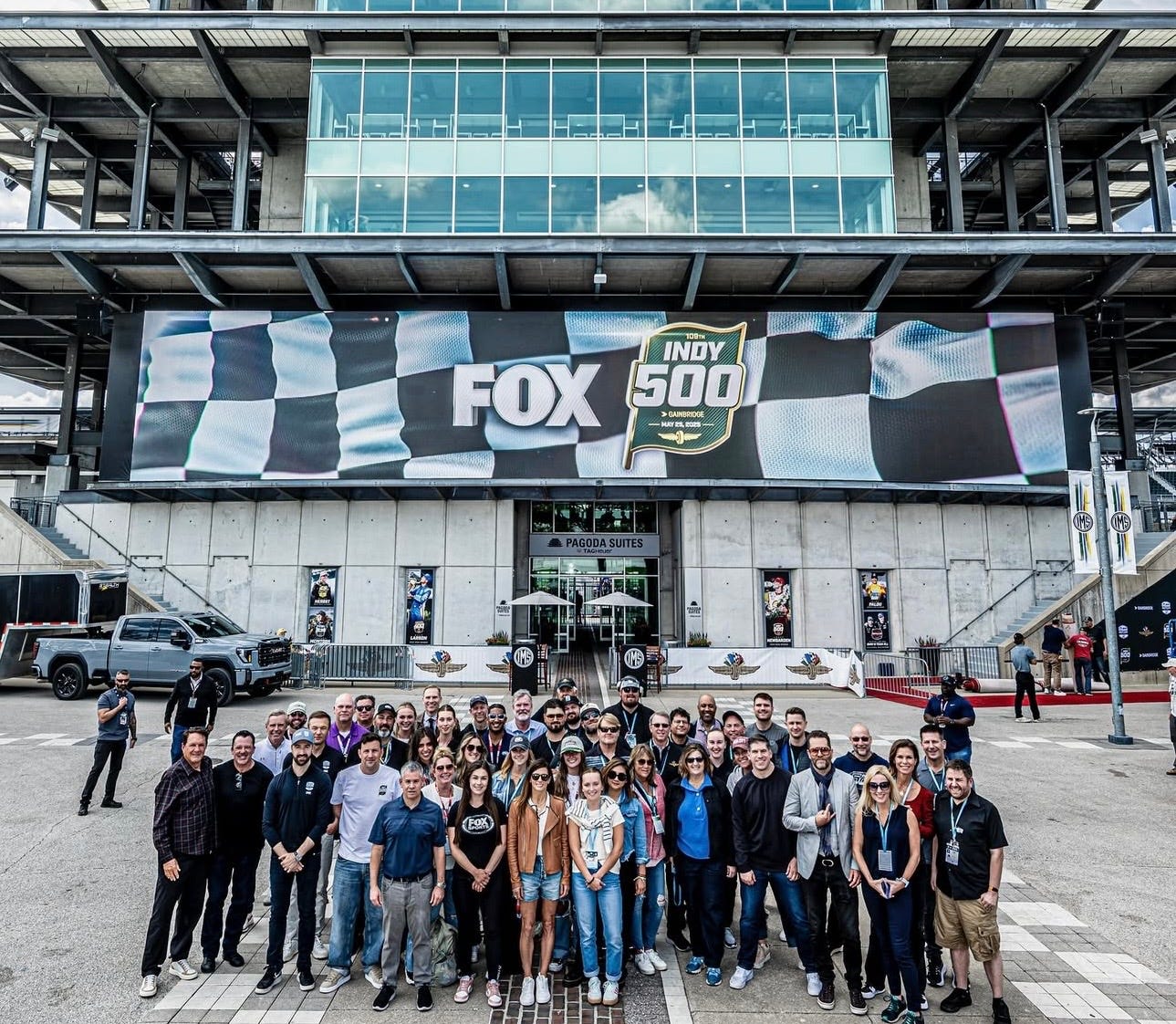
You hear people say how amazing the Indy 500 is, and they’re right—everyone should experience it at least once. I didn’t just experience it—I got to work it. It’s a whole different world. On race day, we had a police escort at 4:30 a.m. because traffic would have made it impossible to get in otherwise. As we approached the track and saw the massive crowds already lined up, that’s when it hits you how big it is. During the pre-race show, I took a moment to stand on track where one of our sets was and just look around. Every single seat was filled—and we were still hours from the start. That’s when you realize just how big a deal this race is.
KV: I went for the first time too, and it was magical. I finally understood the hype.
You start to think about the history—the pagoda, the legacy of the IndyCar series—and you understand why people have such a love for it.
KV: I want to go back to your time on Race Hub. It was a special show to all of us. What memories stand out?
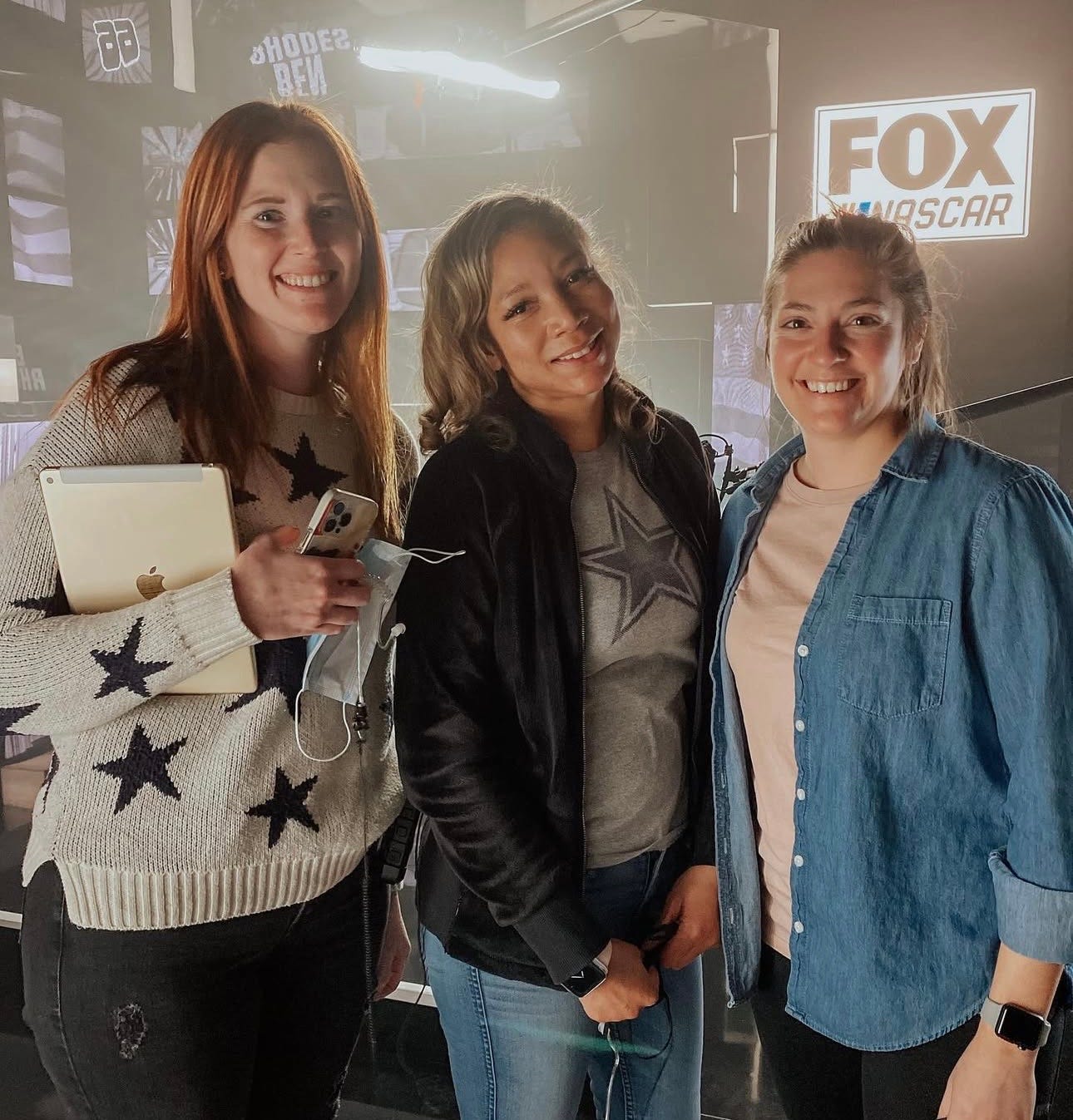
I loved Race Hub. When I first joined in 2014, I didn’t fully grasp its magnitude. It was the only daily NASCAR show, and we did so much. Our producers maximized every show to give the best of the best—from the talent to the cold opens to the props we used on air. But what I remember most is how much fun we had. We even took the show on the road—to the Super Bowl in Miami and the Clash in L.A. That first Clash at the Coliseum stands out. Having our set there with that backdrop—it was really special. It felt like a close-knit family. That show holds so many great memories.
KV: That’s a great way to put it. Working in network television is such a unique industry and getting to be a part of the storytelling of sports. What’s been the most rewarding part of working at FOX?
Honestly, it’s what you said—the storytelling. Without the fans, there is no sport. And that’s when I have to pause and take a moment to recognize how fortunate I am to be doing what I’m doing. It’s not just motorsports but any sport, our colleagues that work on the NFL, college football, and MLB. Sports is what brings people together. I think the most rewarding part is also working with people you trust, and collectively putting something together that makes beautiful television—you get you give that back to the fans.