

07. The Interview: Katie Weigel
Feature Producer, FOX Sports

When it comes to storytelling on national television, many of the stories you see are created by feature producers who help conceptualize and bring them to life. Veteran feature producer Katie Weigel of FOX Sports is one of the masterminds behind FOX’s NASCAR and IndyCar coverage, with her creative vision offering a unique look into both sports. She shares what it takes to create compelling features, as well as the balance of creativity and collaboration within the FOX Sports family.
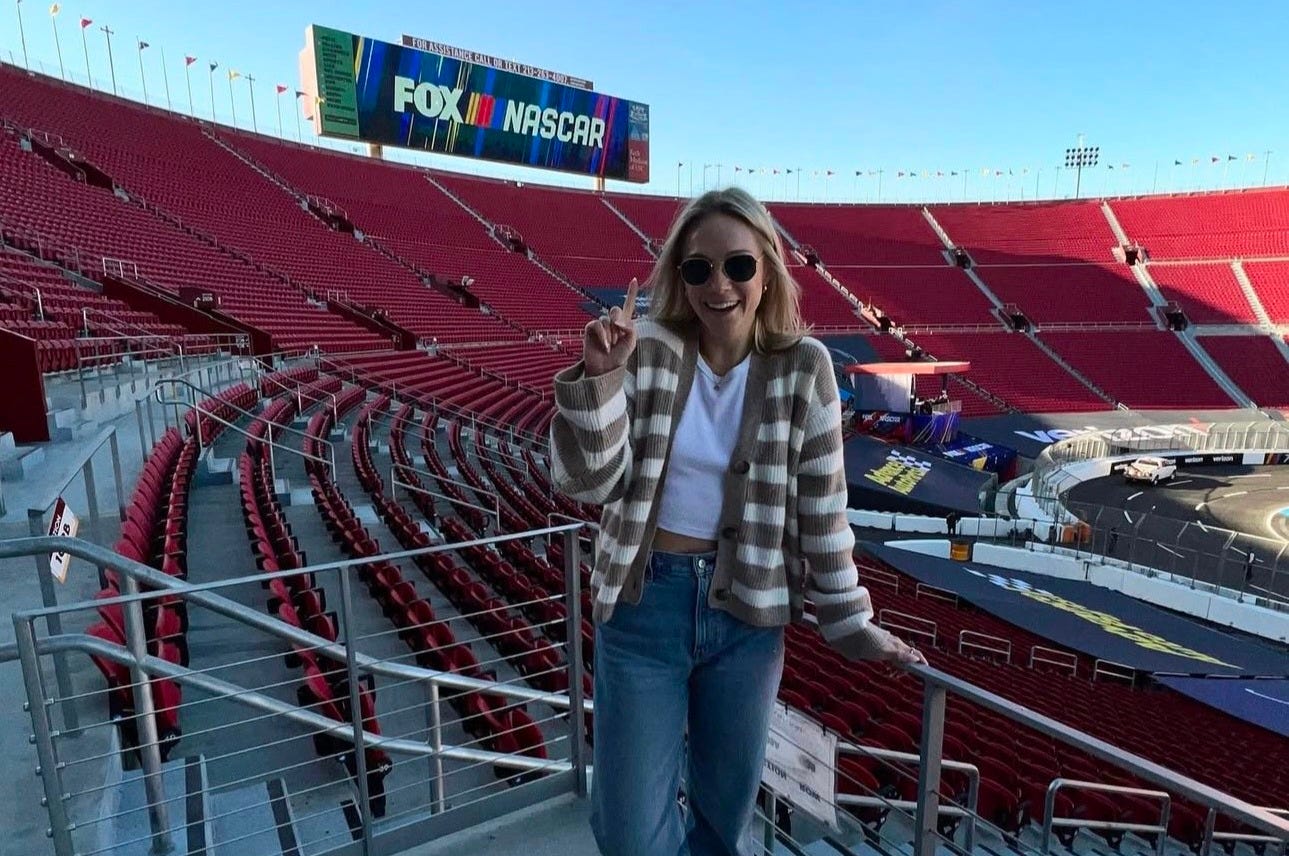
KAITLYN VINCIE: What is your earliest memory of sports that you can recall?
KATIE WEIGEL: I’ve been around sports my whole life. I think I played nearly every sport growing up. I started gymnastics when I was two and did that until I was fifteen. Then I started playing soccer. I just love the sports community and the drive that it gives you—there’s nothing bad about being involved. It builds character, motivation, and problem-solving skills—all things that translate so well into our jobs.
KV: That’s very true. Later in life, you went to the Connecticut School of Broadcasting after Coastal Carolina. What was that experience like?
It was an eight-month program, and it was everything that I wasn’t able to do in college. The courses were great—it was a place where you get out of it what you put into it. They had a full-blown television studio, so you were learning studio and live television elements. You had editing classes, learning Premiere and everything that goes into editing. They also had a podcast studio if you wanted to go into radio. With that course, you learned how to operate a switchboard and all the things associated with radio. I ended up spending a lot of time there and made so many great connections. I still talk to some of those people, and they all have really good jobs in film and television.
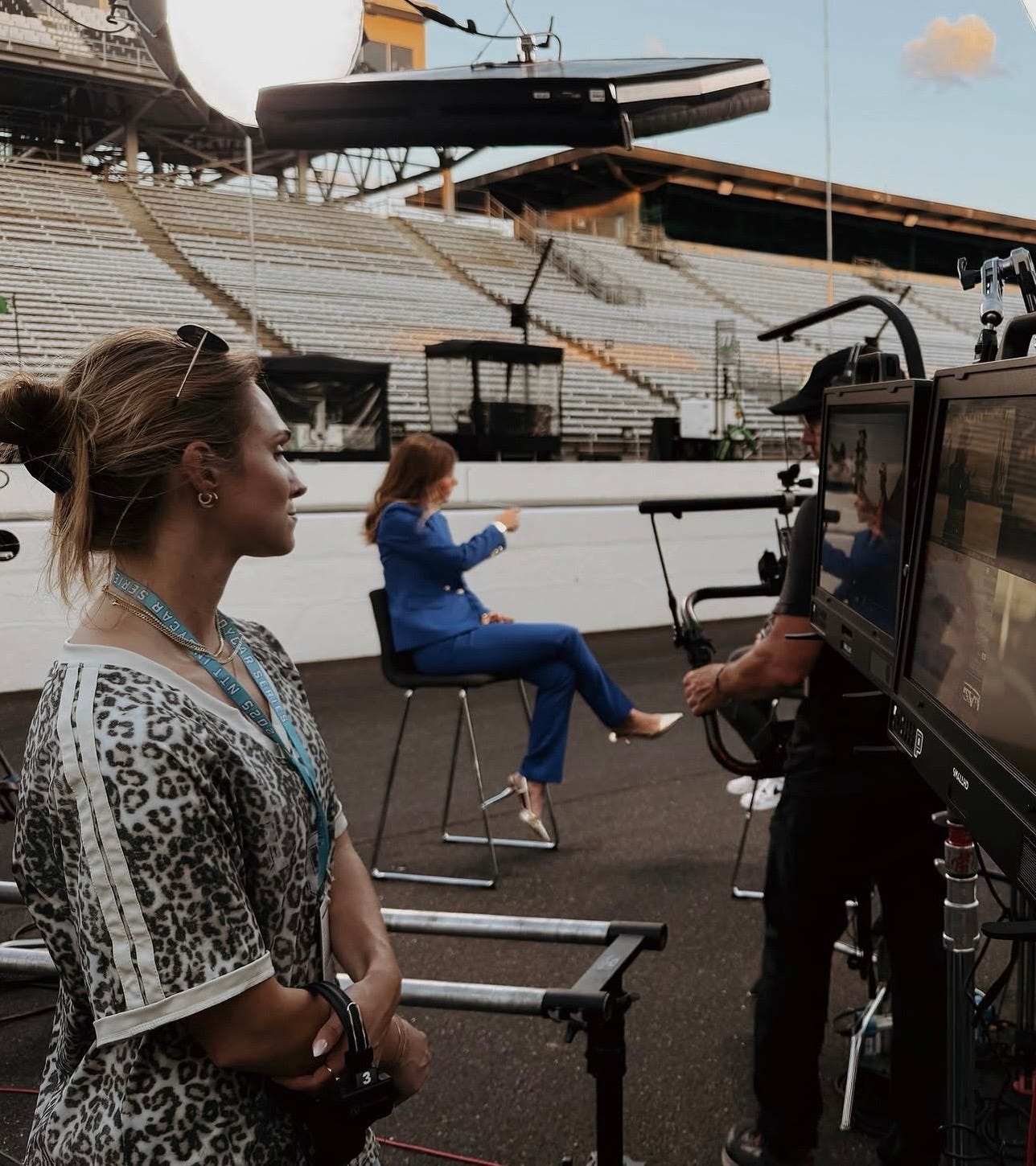
KV: That’s an amazing resource for people aspiring to do this. So now you’ve been at FOX for over six years as a feature producer. What does that mean to people who are unfamiliar with the role?
As a feature producer, I get to conceptualize an entire piece. I think about whether I want it to be a multi-person sit-down interview, or if I want it to be just talent and an athlete, or someone else. Maybe it’s purely storytelling, where I interview someone and they’re speaking directly to the camera. Overall, it’s about working with talent, athletes, or anyone we’re interviewing. You pitch an idea that helps tell a story, then work through the interview all the way to the post-production side, where you turn it into a finished piece for air. You’re project managing, finding locations, and coordinating so many elements throughout the process. You also have to do a lot of research and gather everything you need to tell the story. At the end of the day, it’s about talking to people and telling stories.
KV: What all goes into creating, editing, and cutting pieces? What is the timeline like?
One thing about live television is that the timeline is never very long—you’re typically working within a two- to three-day window. It’s rare that I have more time than that. If it’s for an NFL, NASCAR, or IndyCar show, we kind of backtrack. We start with planning meetings early in the week and ask, “What story do we want to tell this week?” That’s when we pitch ideas, usually on Tuesday or Wednesday. From there, you’re reaching out to the people you want to feature and deciding on locations, then setting up the camera crew and checking talent availability. After that, I take time to conceptualize the piece. You think about who the right talent is, what’s actually happening in the feature—is it a sit-down interview, or are we doing an activity? One thing I love is pulling personality out of people. I want viewers to watch and think, “Wow, that person is so likable,” or “I didn’t realize their personality was like that.” I’m always thinking about how to bring that out. Once everything is set, I work with a Production Assistant and give them a general vision—what shots I want and how the piece should feel. If it’s on a driver, you look at their high moments, low moments, and key race calls that help tell the story. Then I start thinking about music, because that plays a huge role in storytelling. The piece usually goes into editing in the back half of the week. If I’m traveling, I’ll collaborate with the editor over Zoom or phone as they work through the edits.
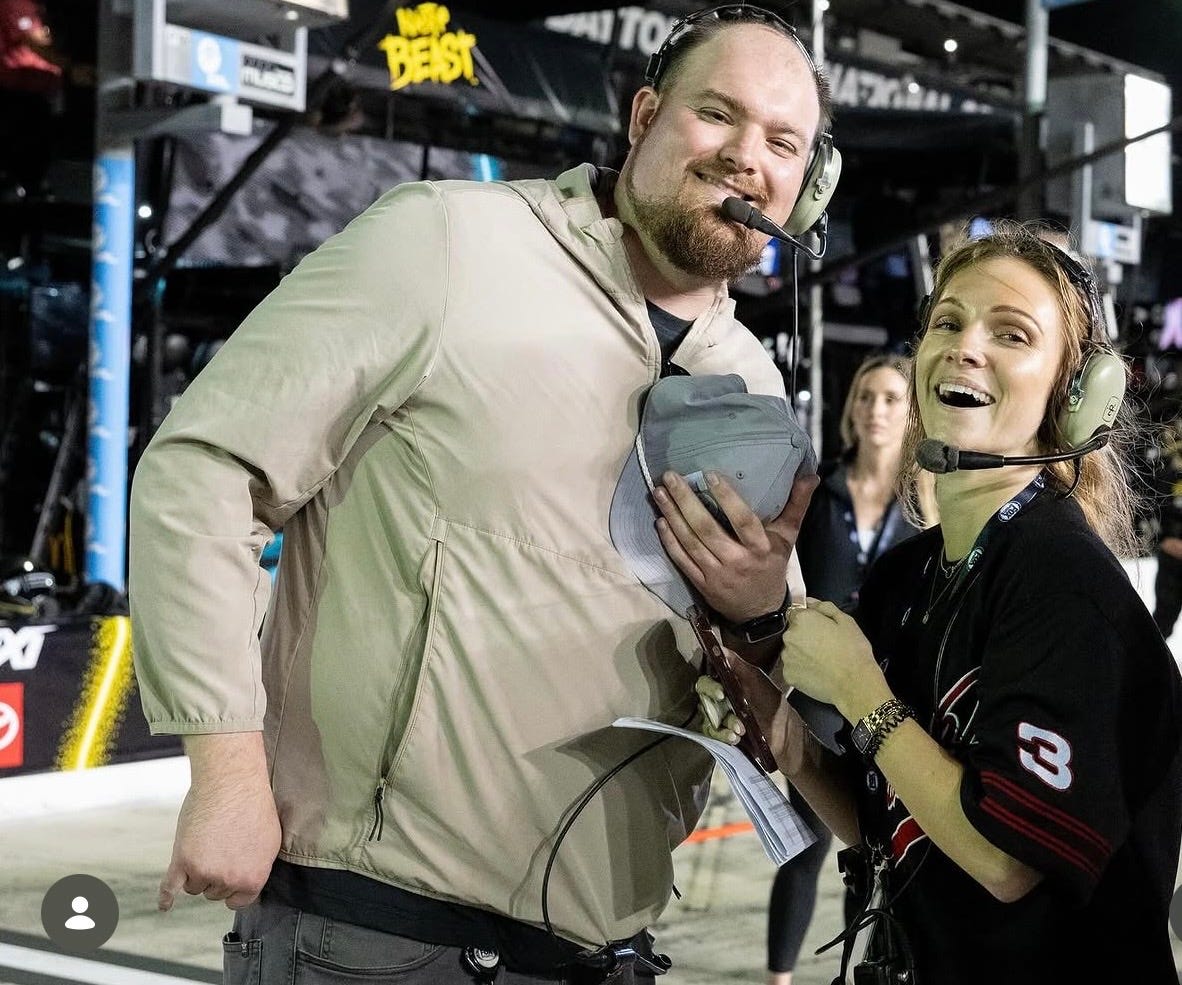
KV: There is so much more to this than people realize. As a producer, when you see a piece come together and air nationally, that has to be a proud moment.
I love hearing conversations about a piece I’ve worked on, because then I know it sparked something. I hope it creates conversations not just within our team, but also among viewers. It’s also great when you’re collaborating and everything just flows—the edits are fun, the talent is happy, and the team is happy. You’re strengthening relationships while making good television. Even during stressful moments, that’s really rewarding.
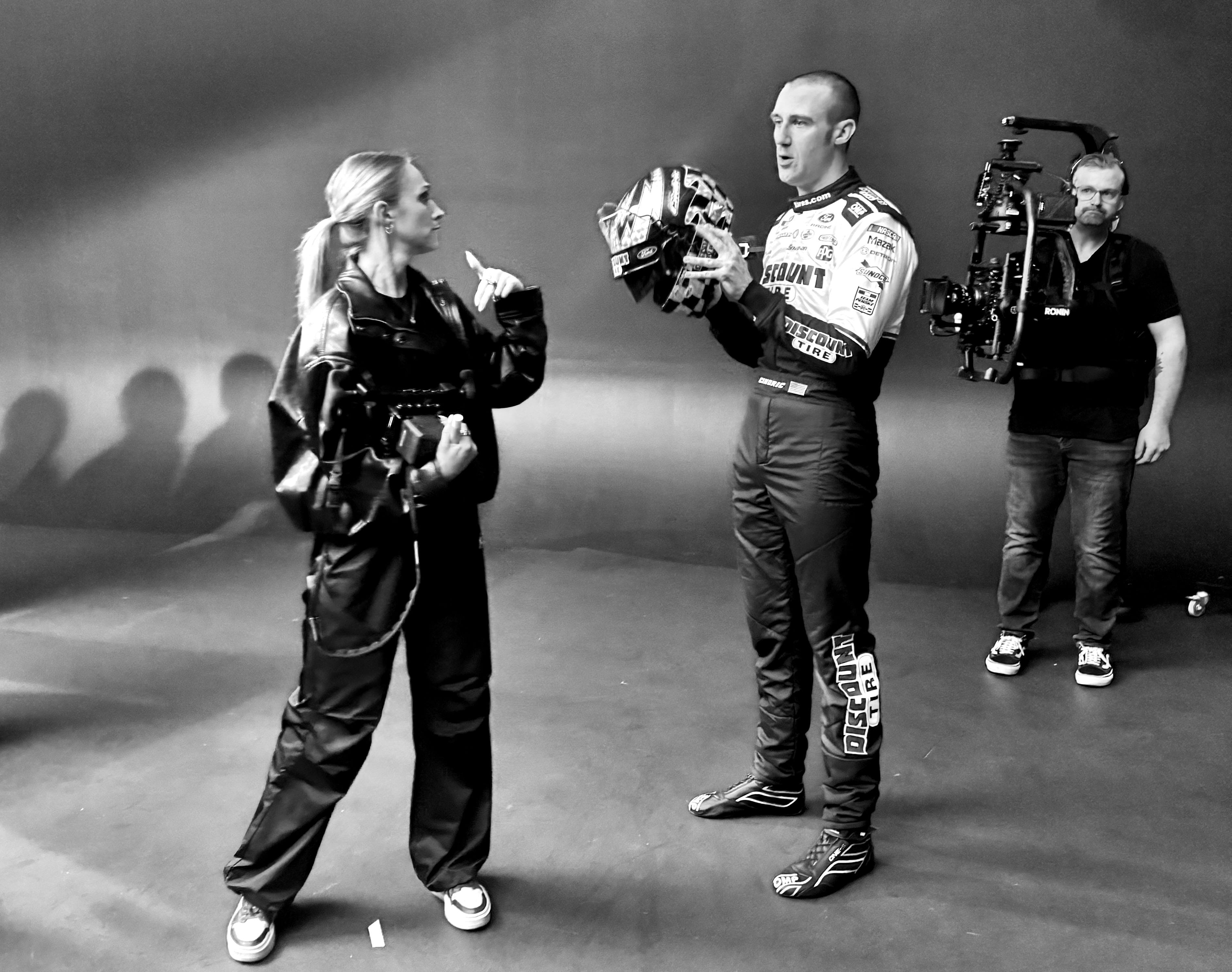
You are—our team is the best at it. Is there a type of story that calls to you more—emotional, historical, or analytical?
One thing I love about working at FOX is being surrounded by so many talented people. I can always pull inspiration from others. If I want to do something emotional or thought-provoking, I know who to talk to brainstorm ideas on how to achieve that. If it’s something more humorous or personality-driven, I have people I can bounce ideas off of. I know I’m working alongside people who can really help make sure a piece succeeds. Personally, I love sitting in an interview and watching a conversation unfold naturally. I want viewers to feel like they’re in the room with us. I also really love the role music plays in a piece. I often build stories around music and hope our music department can clear certain tracks, because they can make or break a piece. A few years ago, we were doing our Championship Four essays, and I had Ross Chastain. I thought, “Cinderella Man by Eminem would be perfect for this story.” It was Wednesday, and the piece aired Sunday. I reached out to our music department, and they cleared it in 24 hours. I always send them my finished pieces as a thank-you so they can see what they helped create.
KV: It really is a team effort at FOX. Is there a feature or story that stands out to you?
A couple of years ago, I had the idea to get a beatboxer to recreate a pit stop. That was so much fun because it was the first time I really got to be that creative. It felt like I was adding a unique flavor to the show. That was the first time I was able to add value in a different creative way and flex my creative muscle differently. On the emotional side, we went to Texas Motor Speedway to interview survivors and victims of the shooting in Uvalde, Texas. That was the first time I had ever interviewed victims and families. The moms were crying, and I was crying behind the camera. All I could think was, “I want to do right by you with this story.” During COVID, Tom Rinaldi had done a seminar on interview practices, and in that moment I really leaned on what he had taught me. That was the first time I had worked on something of that magnitude.
KV: That was a really powerful story—I remember it.
With everything I do, I’m just grateful to tell these stories. I love them all. I always try to improve, and with each opportunity I can see growth—it reinvigorates me. This past year, I got to work more with actors and actresses for teases and features. Working alongside them is incredible—you don’t have to pull personality out of them; they do this for a living.
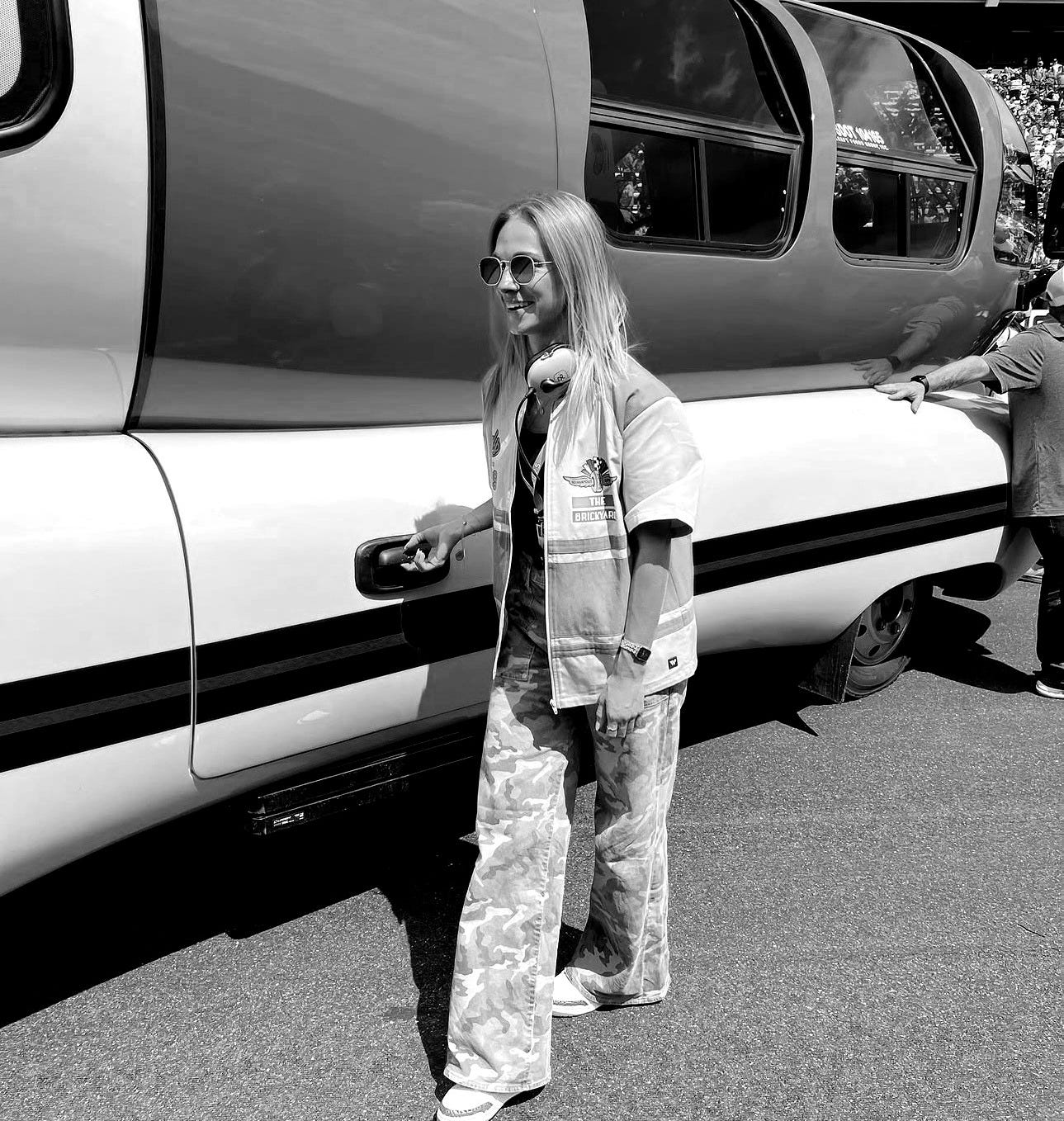
KV: You mentioned feeling reinvigorated. This past year, you also worked on the IndyCar side. How different is the garage from the paddock?
IndyCar feels like a small town in the best way. Everyone is so welcoming and excited about what FOX has done in year one. When we first started, it was a little scary because you’re representing this portion of what we are doing for FOX, but since it was brand new there was no rule book or checklists. I was basically going in and taking what I knew from the NASCAR side and establishing this work flow in IndyCar. I made a point to meet as many people as possible. When I arrived, I walked into every production truck, introduced myself, and asked how I could help. Building relationships happened quickly. Everyone was so open and supportive—even at dinner, teams would come up and introduce themselves. The talent has been incredible, helping connect me with others in the sport. The women in the sport have also been amazing—very collaborative and supportive in bringing visions to life with their drivers. I quickly built strong relationships with PR representatives as well. I think it all just plays into that small town feel.